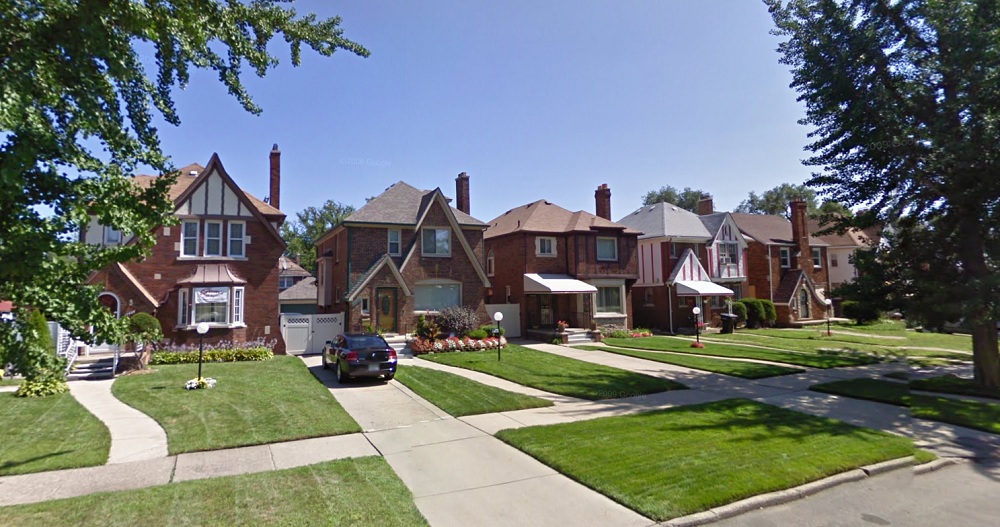
A builder's approach, shaped by years of working on the city's oldest homes.
Detroit homes have their own language: balloon framing, knob-and-tube wiring, clay soil foundations, and 100+ years of Michigan weather. I’ve built and repaired these homes. I know what to look for.
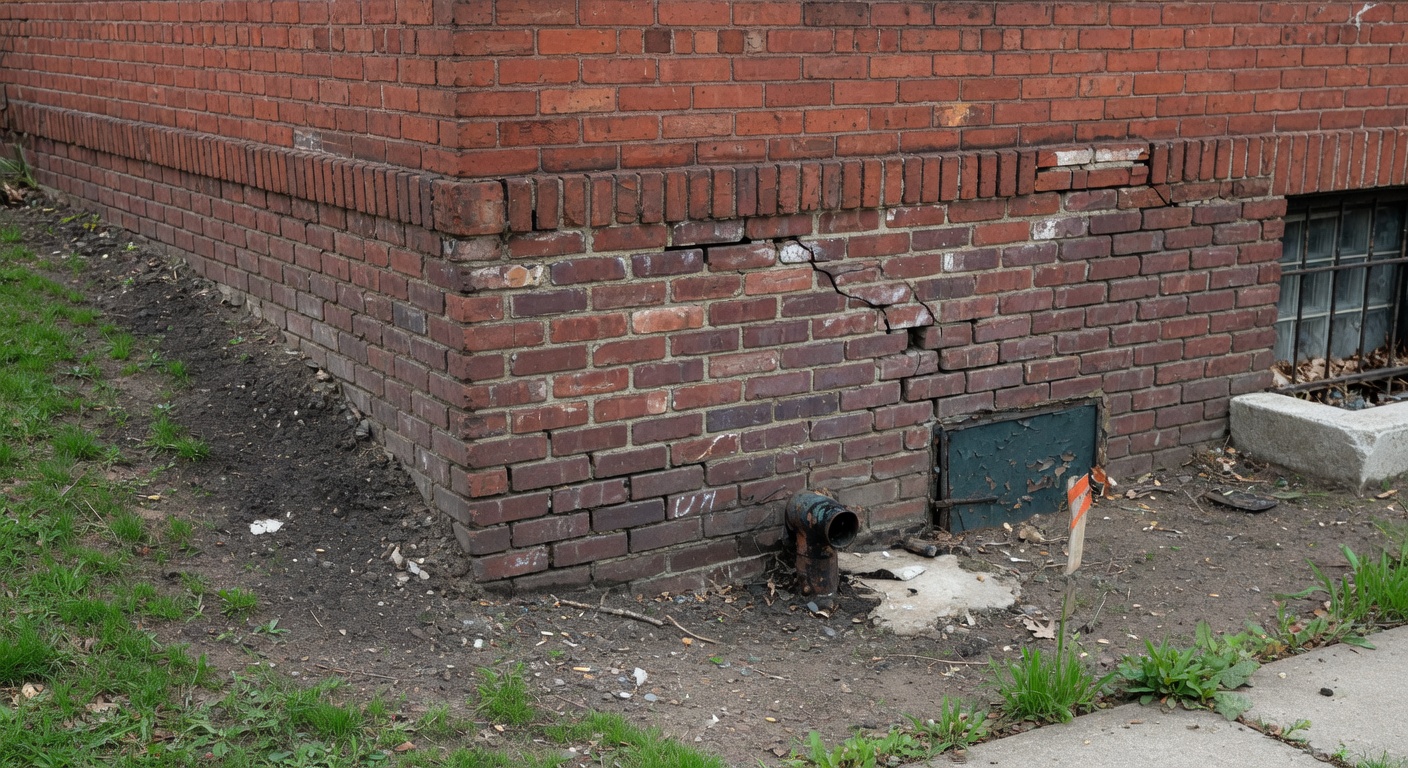
I begin outside. Detroit’s old brick homes sit on foundations that have seen generations of freeze-thaw cycles and shifting clay soil. I look closely at grading, water flow, cracks in brick and block, and signs of past repairs that may be failing.
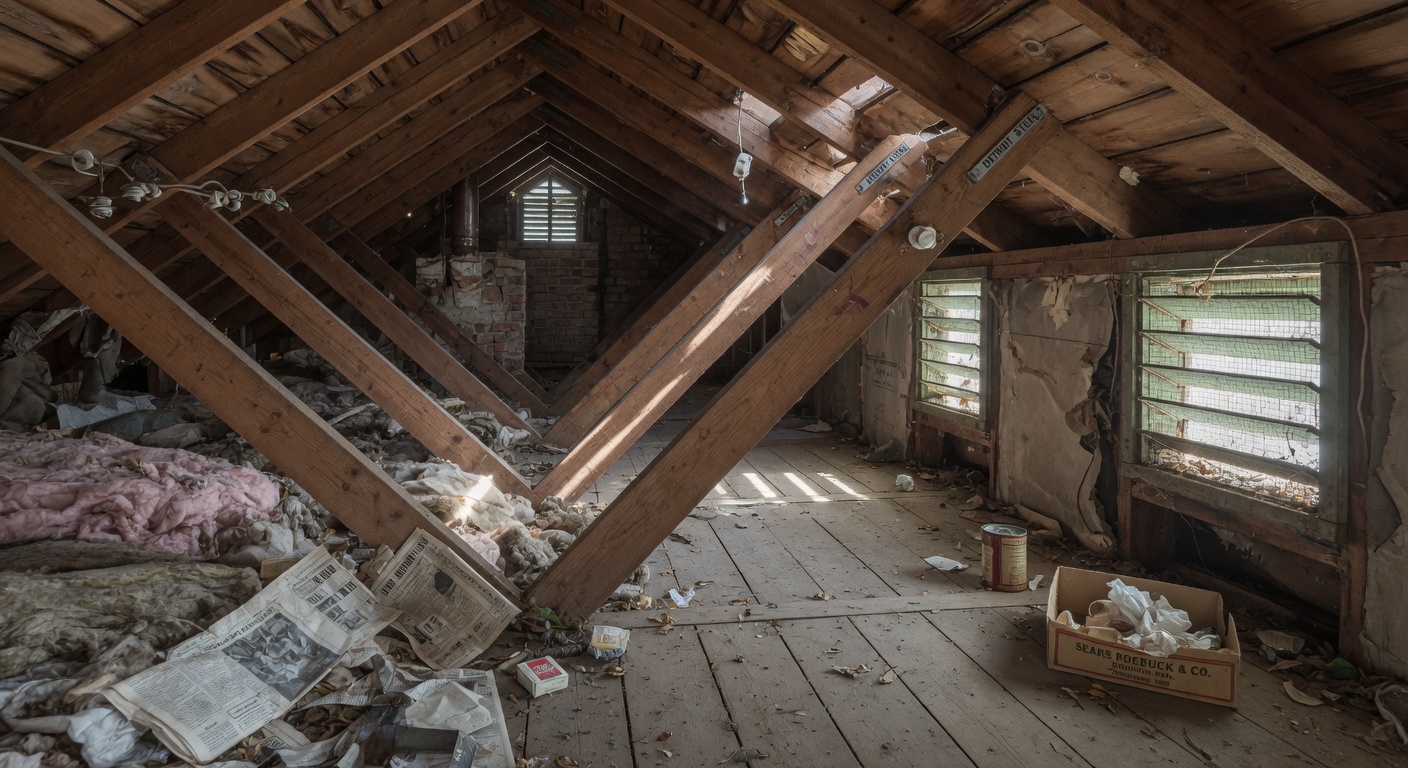
Many Detroit homes still have original slate, tile, or aging asphalt roofs. In the attic I check for proper ventilation, insulation levels, and signs of past leaks, problems that are extremely common in our older housing stock.
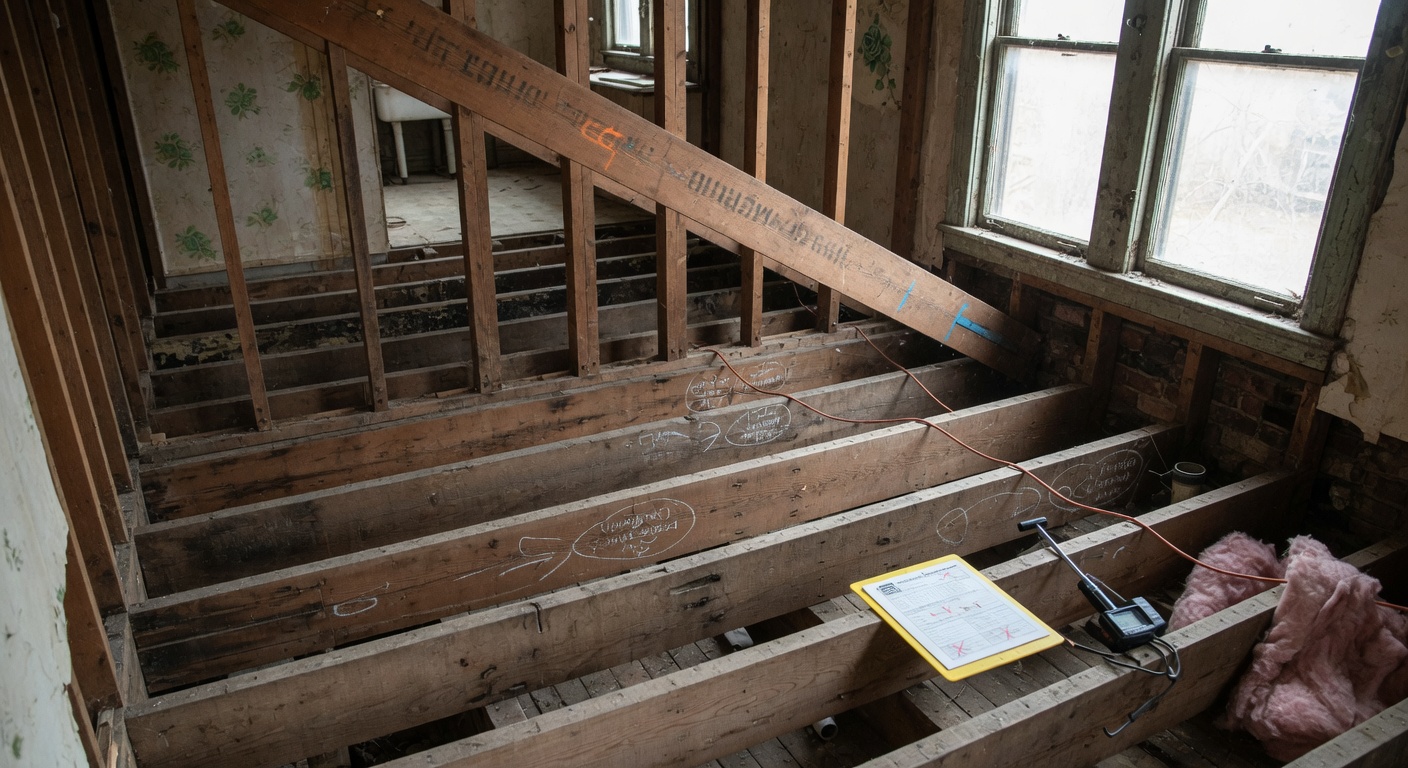
As a licensed builder, I look at how the house was actually put together. Many Detroit homes use balloon framing, which behaves differently than modern platform framing. I check for sagging floors, bowed walls, and compromised joists.
Knob-and-tube wiring is still very common in Detroit. I know how to identify it and evaluate whether it’s safe or needs immediate attention. I also test plumbing systems and HVAC equipment with the perspective of someone who has installed and repaired them.
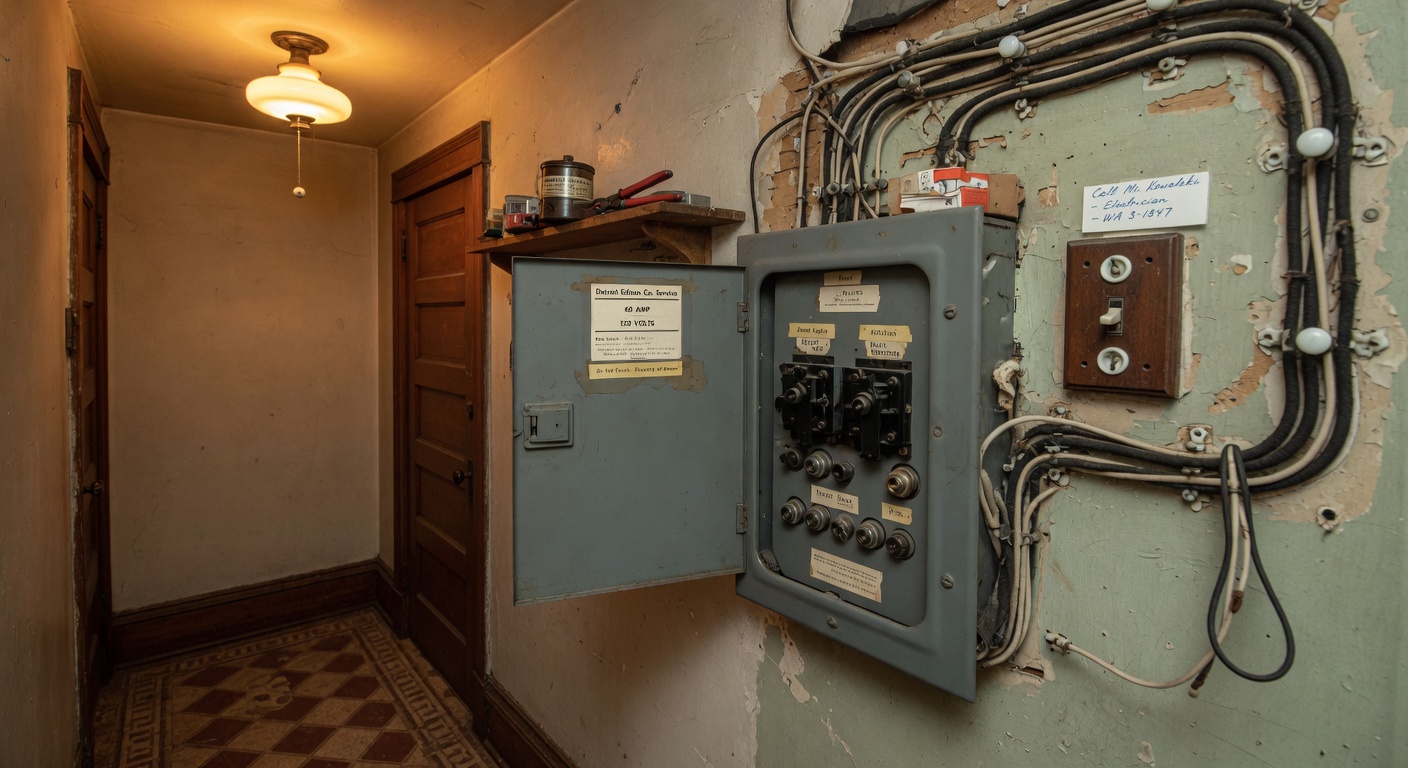
I walk every room looking for signs of movement, water intrusion, and previous repairs. In Detroit homes, plaster cracks, uneven floors, and hidden moisture behind walls are frequent.

Infrared scanning is available as an optional add-on. It can detect hidden moisture, overloaded circuits, and missing insulation that a standard visual inspection cannot see.
Not included in the base inspection.
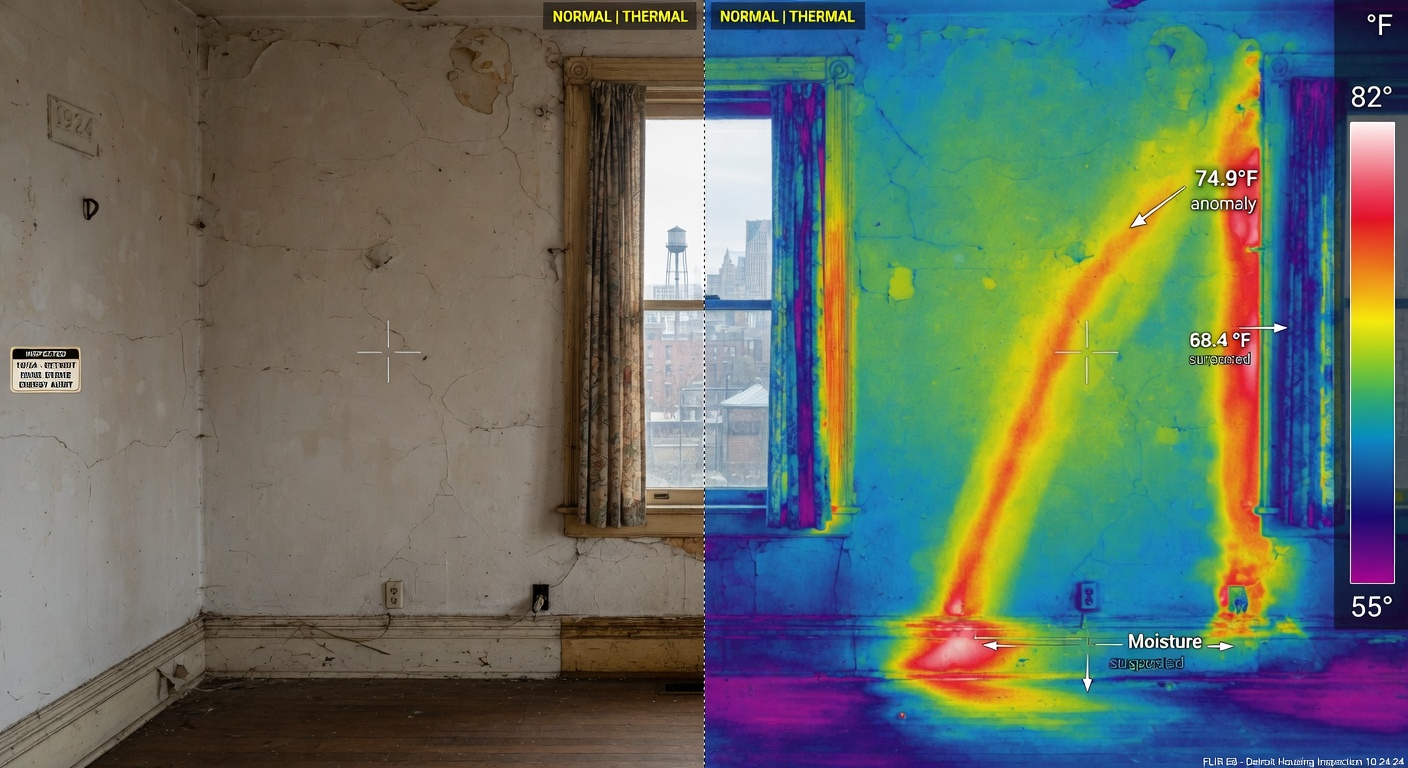
Every inspection includes a clear, prioritized Spectora report with photos. Optional detailed add-on reports are available for repair estimates, mold, thermal, and sewer scope.
Book Your Inspection